
DE-FUNCTIONAL FURNITURE
furniture, lighting, storage system
LAYERS OF ABSTRACTION
August 2017
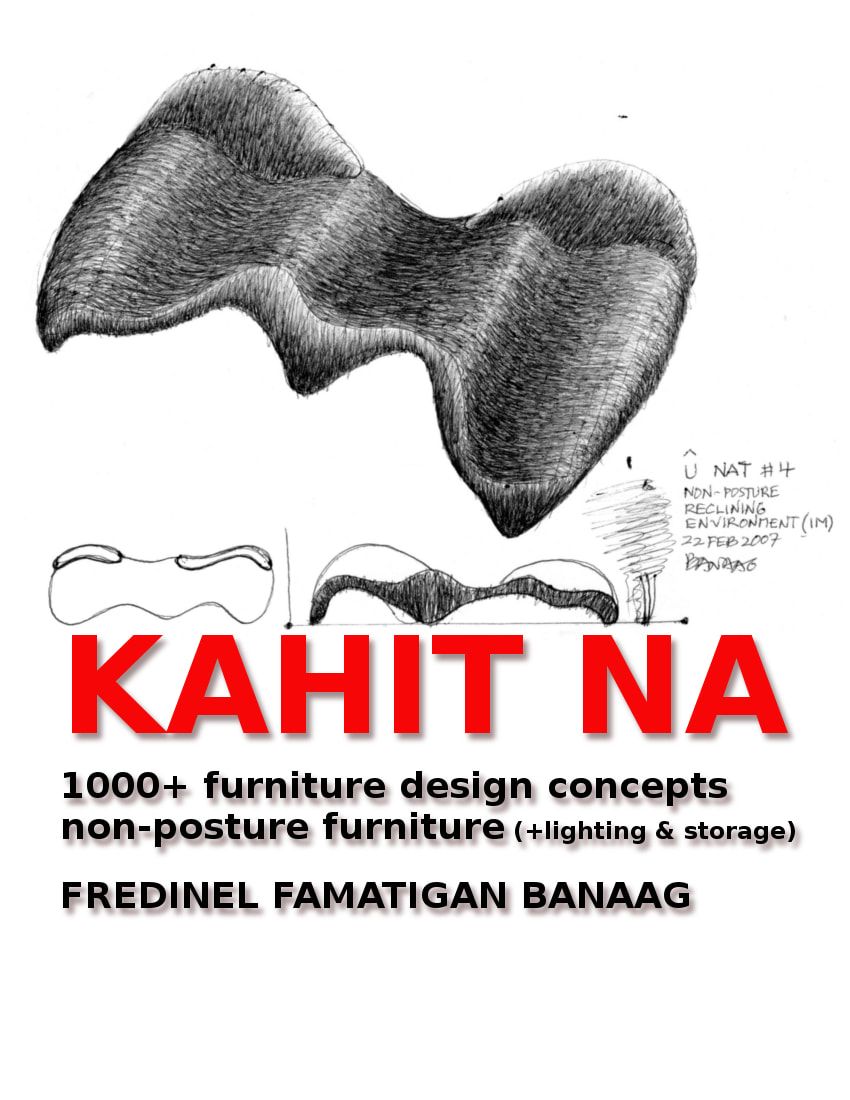
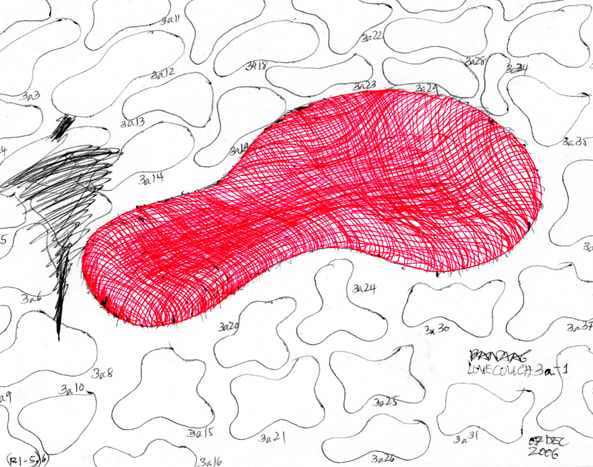
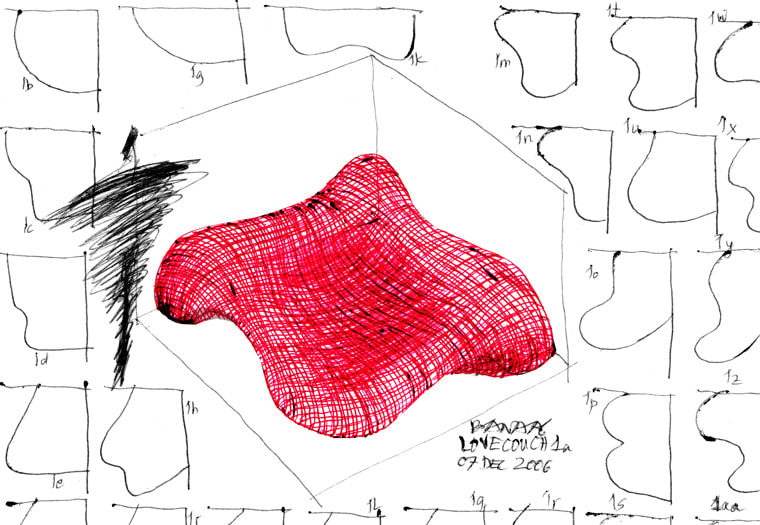
The development of any design proposal is initiated from upper layer abstraction, wherein concepts are formulated; into the middle layer abstraction; wherein the root concept progressively acquires physicality; and then into the lower layer abstraction, in which the concept gradually sheds off its abstraction and is fully translated into workable and implementable details.
The Upper Layer Abstraction
An abstract idea has no dimension and as such, it has no physicality. One of the most crucial stages in the design process is how to conceptualize design ideas that will provide impetus to the development of any design proposal. The initial formulation deals with the simultaneous thinking and interfacing of the multi-dimensional components of design into a coherent and brilliant design concept. Hence, concept formulation is basically an abstraction-thinking process where a single overarching idea can solely drive the development of any design solution.
For instance the root concept “transparency” can be translated in many forms and directions. Transparency may entail the provision of barrier-free visual connectivity between areas and components of a certain interior spaces. It can also be interpreted through the use of materials such as glass, large grids, or spaces with limited walling elements. Or it may even be implemented with the use of window system that may be controlled in terms of allowing flexible visibility within the spaces and its exterior setting.
The Middle Abstraction
At this instance, the root idea- “transparency” acquires more and more assigned details and will continue to evolve into a refined scheme and eventually into a full design proposal. Since, basically the concept is the initial generator of the design proposal, it goes without saying that a wrongly premised concept most probably will result into a weak design proposal. On the other hand, a well-thought of concept most often propels a well-predicated design solution. Now, not all design staff is given the prime responsibility of charting the trajectory of the design. Somehow, this strategic design stage is tackled within the desk of the principal practitioner or designer. The initial concept’s thumbnail interpretation sketches acquire a powerful identity that may guide the development of the design proposal in all the stages.
These conceptual drawings, images or illustrations are then employed in the development of measurable architectural representation such as in plan, section, perspective, some details, or even conceptual 3D models. Hence, the initial concept becomes less and less abstract in a sense that it steadily acquires its physicality and more definitive character. These design development refinements, however, are still guided by the initial concepts so that succeeding interpretations will not veer so much away from the original concepts. At his level the middle level designer takes over in the refinement and definitive representation of the root concept’s initial images and drawings.
The Lower Layer Abstraction At this layer, the design development drawings are encoded to fit in into the various detailed requirements of the site, the project, and into its different sub-components. Other documents are also refined in the previous process and prepared to supplement the drawings and illustrations, such as the detailed specifications and the bill of quantities. These are drawn, implemented and detailed by the various staff concentrating of the different aspects of the project.
Eventually, through these details and shop drawings the concept is translated into fully implementable design solution and as such the abstraction is finally replaced by details.
It would be interesting to note that the higher the abstraction one performs the higher the corresponding pay scale will be simply because it involves a different spatio-logico-analytical-synthesis-critical thinking process with the accompanying higher risks for failure.
The Upper Layer Abstraction
An abstract idea has no dimension and as such, it has no physicality. One of the most crucial stages in the design process is how to conceptualize design ideas that will provide impetus to the development of any design proposal. The initial formulation deals with the simultaneous thinking and interfacing of the multi-dimensional components of design into a coherent and brilliant design concept. Hence, concept formulation is basically an abstraction-thinking process where a single overarching idea can solely drive the development of any design solution.
For instance the root concept “transparency” can be translated in many forms and directions. Transparency may entail the provision of barrier-free visual connectivity between areas and components of a certain interior spaces. It can also be interpreted through the use of materials such as glass, large grids, or spaces with limited walling elements. Or it may even be implemented with the use of window system that may be controlled in terms of allowing flexible visibility within the spaces and its exterior setting.
The Middle Abstraction
At this instance, the root idea- “transparency” acquires more and more assigned details and will continue to evolve into a refined scheme and eventually into a full design proposal. Since, basically the concept is the initial generator of the design proposal, it goes without saying that a wrongly premised concept most probably will result into a weak design proposal. On the other hand, a well-thought of concept most often propels a well-predicated design solution. Now, not all design staff is given the prime responsibility of charting the trajectory of the design. Somehow, this strategic design stage is tackled within the desk of the principal practitioner or designer. The initial concept’s thumbnail interpretation sketches acquire a powerful identity that may guide the development of the design proposal in all the stages.
These conceptual drawings, images or illustrations are then employed in the development of measurable architectural representation such as in plan, section, perspective, some details, or even conceptual 3D models. Hence, the initial concept becomes less and less abstract in a sense that it steadily acquires its physicality and more definitive character. These design development refinements, however, are still guided by the initial concepts so that succeeding interpretations will not veer so much away from the original concepts. At his level the middle level designer takes over in the refinement and definitive representation of the root concept’s initial images and drawings.
The Lower Layer Abstraction At this layer, the design development drawings are encoded to fit in into the various detailed requirements of the site, the project, and into its different sub-components. Other documents are also refined in the previous process and prepared to supplement the drawings and illustrations, such as the detailed specifications and the bill of quantities. These are drawn, implemented and detailed by the various staff concentrating of the different aspects of the project.
Eventually, through these details and shop drawings the concept is translated into fully implementable design solution and as such the abstraction is finally replaced by details.
It would be interesting to note that the higher the abstraction one performs the higher the corresponding pay scale will be simply because it involves a different spatio-logico-analytical-synthesis-critical thinking process with the accompanying higher risks for failure.